When I took over operations at a small commercial cleaning company in Manhattan, the stack of single-use plastic bottles in our supply closet felt like a confession. We were a cleaning business serving boutique offices and retail stores, and our tools of the trade were also a steady source of waste. Clients cared about aesthetics and indoor air quality, some explicitly asked about green practices, but the how often got pushed aside by the what and the when. Making sustainable choices around packaging and products changed the way we worked, lowered costs in surprising ways, and became a differentiator that helped us win contracts. This piece lays out practical, field-tested approaches that work in New York City, whether you run a janitorial team, manage facilities for a commercial tenant, or shop for a local cleaning crew.
Why this matters
Big buildings and small shops together generate a lot of cleaning-related waste. Think empty chemical bottles, single-use wipes, and cardboard from bulk deliveries. Choosing better packaging and product formats reduces landfill volume, lowers carbon tied to transportation, and often improves safety for staff and occupants. For building managers and business owners, these choices also reflect corporate values and can support tenant retention, brand perception, and compliance with increasingly strict procurement standards.
Reframe the decision: more than green halo
Switching to sustainable packaging is not just a PR exercise. In tight, high-traffic environments such as NYC offices, the right formats reduce storage demand, lower delivery frequency, and simplify daily routines. For example, replacing dozens of one-liter spray bottles with two large refill stations plus concentrated cartridges can free up closet space and reduce weekly deliveries. Staff handle fewer containers, which means fewer spills and less time spent swapping bottles. From a financial perspective, concentrated formulations often lower cost per use by 30 to 60 percent, depending on the chemical and local supplier pricing.
There are trade-offs
No choice is purely positive. Concentrates require diluted dispensing systems, which adds upfront hardware expense and a small learning curve. Compostable wipe options may cost 20 to 40 percent more than conventional disposable wipes and sometimes break down if left wet. Glass refills in public areas look premium, but glass breaks and weighs more for deliveries. Durable packaging that is designed to be returned and reused needs reliable logistics, otherwise the environmental upside evaporates when containers sit empty in storage. Understanding these trade-offs helps select solutions that actually function in the field, not just on a brochure.
Packaging formats that work in NYC commercial settings
Think beyond plastic or paper labels and choose formats that fit your operations, staff routines, and storage constraints. Below is a short checklist of packaging formats that have proven practical for commercial cleaning company operations, with quick notes on when to choose each.
- concentrated cartridges and dosing systems: ideal when storage is limited and staff can be trained on dilution; lowers transport emissions and per-use cost. bulk refill stations: good for high-traffic buildings where refilling spray bottles on site reduces deliveries and plastic waste. reusable, high-density polyethylene bottles with clear labeling: practical for custodial closets where breakage risk exists and clarity about contents matters. compostable or recycled-fiber wipes and packaging: choose for restrooms and break rooms when waste sorting is available; avoid when exposure to moisture over time will compromise integrity. returnable glass or heavy-duty plastic containers via a vendor take-back program: best for premium buildings and hospitality clients willing to support logistics.
Each item deserves context
Concentrated cartridges and dosing systems are a favorite at scale. In our experience, a mid-size office building with 20 janitorial staff reduced the number of weekly vendor visits from three to one after adopting cartridges. The change required training on one dilution workstation and installing a few wall-mounted dispensers. The upfront cost for dispensers paid back in about four months through lower product spend and reduced delivery fees.
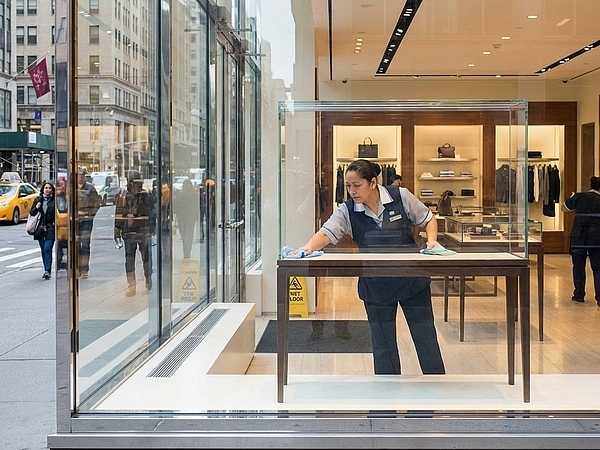
Bulk refill stations sound messy, but when the station is robust and located in a well-ventilated maintenance area, they work well. One client with multiple retail floors had staff refill labeled spray bottles near service elevators. The process cut packaging waste by roughly 70 percent and eliminated dozens of empty bottles that previously collected under sinks.
Reusable high-density bottles are the pragmatic middle ground. They survive drops, they are inexpensive, and clear labeling reduces chemical mix-ups. When paired with color-coded labels, they reduce training time for new hires and lower accidental mixing incidents. The downside is that some staff still prefer single-use disposables for convenience, so you need clear policies and occasional checks.
Compostable wipes and recycled fiber paper
Compostable wipes and recycled fiber paper products feel correct in mission-driven workplaces, but they require the right waste streams. Many buildings still mix waste at the source, which means a compostable wipe ends up in landfill. Before you switch hundreds of restrooms to compostable paper, verify that either the client has on-site composting or a waste vendor that accepts compostable materials. Otherwise, the largest benefit will be moral rather than material.
Returnable-container programs are compelling when a vendor can pick up empties and replace them with prefilled containers on a schedule. We piloted this with a cleaning chemical supplier for a chain of community clinics. The vendor picked up empties weekly and delivered sanitized, refilled containers. It required coordinated timing, but the program cut container waste by more than 90 percent and simplified inventory. The trade-off was vendor dependency and less flexibility in switching chemical formulations quickly.
Chemistry choices: greener does not mean weaker
Chemical selection matters as much as packaging. The temptation is to assume that any product sold as green or plant-based will be safe and effective across settings. That is not true. For example, enzymatic cleaners perform well on organic residues and odors, ideal for healthcare or foodservice areas, but they do not replace disinfectants on high touch surfaces. Hydrogen peroxide-based disinfectants work broadly, degrade quickly, and often carry lower toxicity profiles compared with quats, but they can be less persistent, meaning more frequent application for infection control.
From Cleaning services experience, a layered approach works best: enzymatic products for soils and carpets, hydrogen peroxide or hypochlorous options for general surface sanitation, and targeted quaternary ammonium formulations only where proven residual activity is required and allowed by regulation. For a small dental office client, switching to peroxide-based surface cleaners and maintaining a separate EPA-registered disinfectant for instrument areas struck the right balance—safer air for staff without compromising infection control requirements.
Safety, training, and labeling
Sustainable packaging changes workflows. Dosing systems, concentrates, and refill stations mean staff must understand dilution math, hazard communication, and spill response. Invest in clear labeling, accessible SDS (safety data sheets), and hands-on training. A single well-run 45-minute session each quarter saves hours of confusion and reduces mistakes that can lead to staff illness or surface damage.
Labeling deserves special mention. Use large, straightforward labels with the product name, primary use cases, dilution ratios when relevant, and safety icons. Color-coding by function reduces errors. For instance, blue for glass and window cleaners, green for general-purpose, red for disinfectants. That visual cue accelerates correct use during busy turnovers.
Logistics, procurement, and supplier relationships
Sustainable packaging often changes procurement timelines and supplier communication. Consolidating orders to fewer suppliers reduces packaging complexity and supports negotiating returnable container programs. When I managed supplier contracts, asking three simple questions upfront revealed fit quickly: do you offer concentrates? Can you provide pick-up or take-back service for containers? What documentation do you provide for environmental claims? Vendors who could not answer those questions reliably were less likely to fit a sustainability-forward operating model.
For businesses in NYC, delivery logistics matter. Consolidating deliveries to a weekly schedule reduces the number https://share.google/9RbOB91NdRbUZyDTR of trucks pulling into loading docks and lowers the city's transportation footprint associated with your operation. If a vendor cannot meet a consolidated schedule, weigh the environmental benefit against operational pain. Sometimes staggering deliveries by zone within a building works as a compromise.
Measuring impact without greenwashing
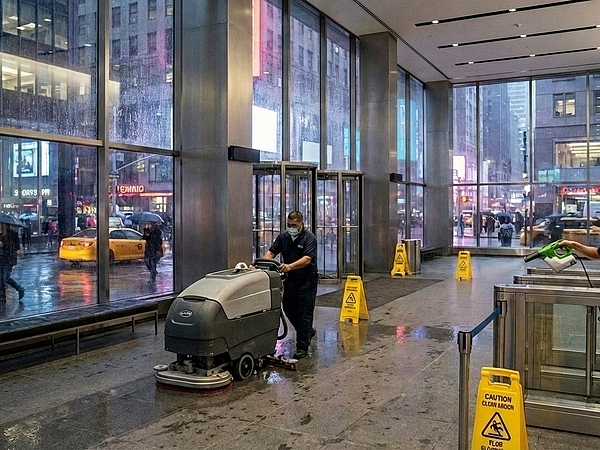
Quantify reductions where you can. Track the number of bottles ordered before and after implementing a refill program. Convert volumes into weight and estimate avoided landfill mass. For example, replacing 500 one-liter plastic spray bottles per month with two 20-liter concentrate drums could avoid approximately 400 kilograms of plastic waste annually, depending on bottle weight. Use simple accounting: volume purchased, frequency, and container types. Track cost per use and adjust procurement accordingly.
Documentation is also valuable for client reporting and for answering sustainability questions during bids. Keep records of returned containers, delivery frequency reductions, and training logs. If a client asks for lifecycle analysis, provide transparent numbers with clear assumptions rather than marketing claims. That earns trust.
Real-world anecdotes
A boutique law firm in midtown was concerned about odors and wanted green options. We replaced air fresheners with odor-neutralizing enzymatic sprays and switched to recycled-fiber hand towels. The firm noticed immediate air improvements, staff appreciated less chemical scent, and the building manager praised that custodial staff could carry fewer products, freeing up closet space.
Conversely, a luxury hotel tried compostable single-use mop pads without changing its waste streams. The pads ended up in trash compactors and offered no environmental benefit. The hotel reverted to reusable microfiber pads after two months and redirected compostable pads to a charity that accepted material-specific donations. The lesson: match product decisions to waste infrastructure.
What about compliance and certifications
Certifications can guide choices, but interpret them judiciously. EPA Safer Choice, Green Seal, and eco-labels provide frameworks for evaluating products, but each has different criteria. A single product can carry a legitimate eco-label and still be unsuitable for every surface or regulatory need. For commercial settings, always ensure disinfectants meet local regulatory standards, particularly for healthcare or foodservice. If a product claims reduced environmental impact, ask for the test data or certification details and evaluate practical performance via a short trial.
Budgeting and ROI
Budgeting for sustainable packaging often reveals quick payback. The largest savings typically come from reduced delivery fees, lower frequency of orders, and cheaper concentrated formulations. For a cleaning services NYC operator serving 30 small retail locations, transitioning to concentrates cut product spend by about 25 percent in the first year, while lowering the number of pallets received per month by half. Upfront vendor setup and staff training were the main costs, but those paid back within six months.
For owners of commercial properties, factor in soft benefits such as improved tenant satisfaction, fewer complaints about odors, and potentially lower insurance claims related to chemical exposure. These are harder to quantify, but they matter in renewal conversations.
Implementing change with staff and clients
Start small, pilot, measure, scale. Pick one building or one workflow, pilot concentrated products or reusable containers for 60 to 90 days, and track performance across key metrics: product effectiveness, staff time, delivery frequency, and complaints. Communicate results to stakeholders. If the pilot demonstrates clear wins, roll the change out across more sites with focused training.
Getting buy-in from staff requires listening. Some custodial crews resist change because new systems add perceived complexity. Address concerns by involving frontline staff in vendor selection, letting them test products, and compensating them for training time. For client-facing facilities, present the change as a service improvement: cleaner surfaces, less intrusive scents, and a visible sustainability commitment.
Final guidance for commercial cleaning company buyers in NYC
Start by auditing what you currently consume. Count bottles, tally deliveries, and calculate the closet space devoted to single-use packaging. Then prioritize changes that reduce delivery frequency and eliminate the most common single-use items. Engage suppliers with straightforward questions about concentrates, returns, and documentation. Pilot in one location, measure real metrics, and scale what works.
The payoff
Switching to sustainable packaging and better product choices is less about virtue signaling and more about smarter operations. In the work I do with clients, the best outcomes combine environmental gains with operational clarity: fewer deliveries, simpler staff routines, safer indoor air, and lower per-use costs. For cleaning services in NYC, those improvements can transform a company from a cost center into a strategic partner for buildings and tenants that expect both cleanliness and responsible stewardship.
If you manage a commercial cleaning company or oversee facilities, consider three immediate steps: perform a simple packaging audit, ask your top three suppliers about refill and return programs, and run a 60-day pilot with a concentrated system. You will get clearer closets, lower recurring costs, and a stronger story to tell when competing for contracts in a city that values both efficiency and ethical behavior.
Impeccable Cleaning NYC
130 Jane St Apt 1F, New York, NY 10014
+1 (347) 483-3992
[email protected]
Website: https://www.impeccablecleaningnyc.com/